Why Abu Dhabi is becoming the UAE’s most underrated property market
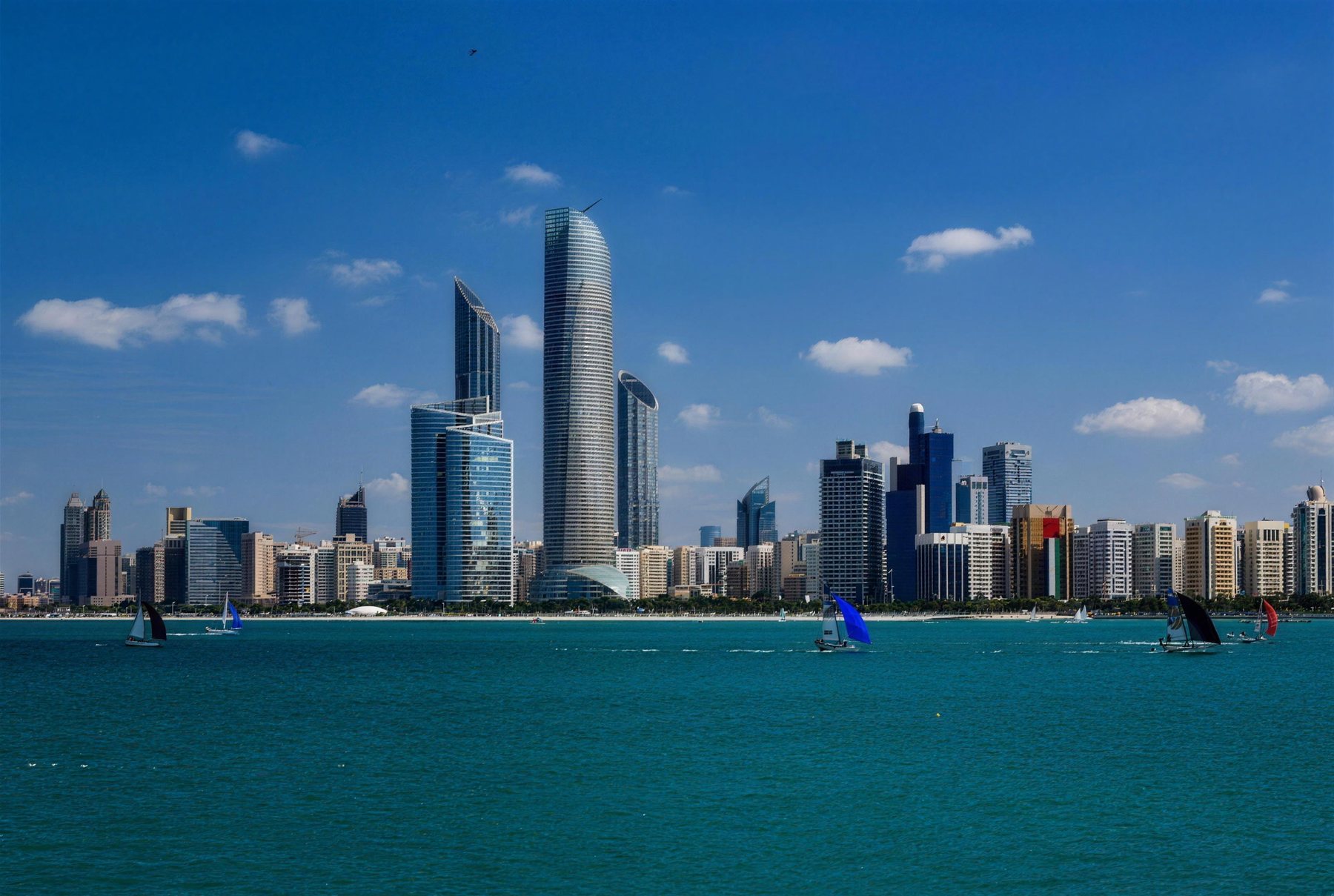
For years, Dubai has been the name on every international investor’s lips when the conversation turns to UAE property. Glittering skylines, record-breaking towers and a relentless marketing machine have made it the obvious first stop. Abu Dhabi, by comparison, has quietly built something different: a market grounded in government investment, genuine population growth, world-class infrastructure and a steady stream of international capital.
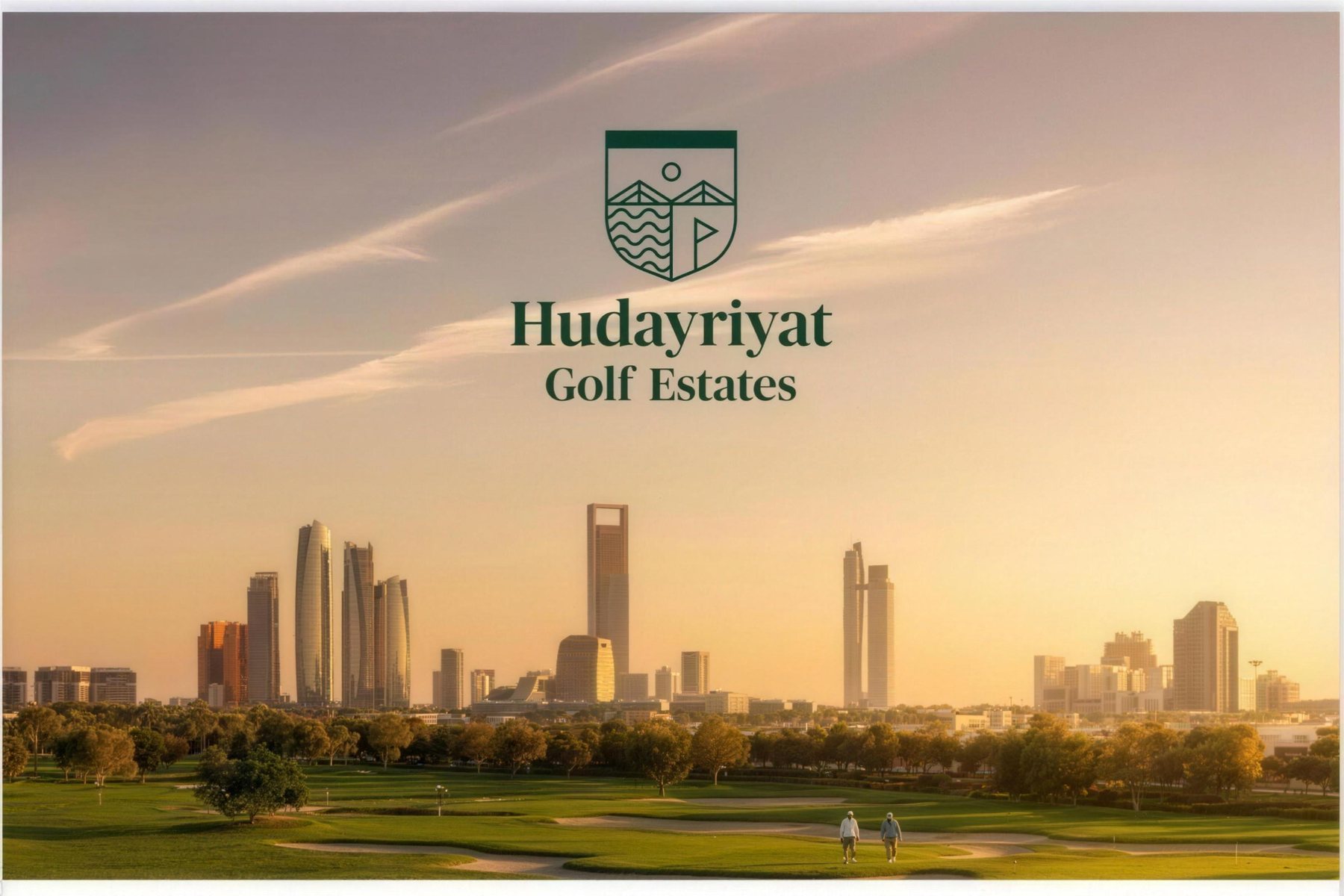
The story has become impossible to ignore in 2026. The launch activity surrounding Hudayriyat Golf Estates, Modon’s new island golf community, has out a spotlight on just how far the capital’s residential market has come. At Invicta, we work across both Dubai and Abu Dhabi, and right now we are spending more time than ever pointing clients towards the capital. Here is why.
A Government That Is Putting Its Money Where Its Vision Is
Abu Dhabi’s growth is not happening by accident. It is the product of a deliberate, well-funded strategy. In September 2025, the Abu Dhabi government announced an AED 42 billion investment in projects designed to enhance resident’s quality of life, with the first phase focused on improving how easily people can reach essential facilities within their own neighbourhoods. That kind of spending does not happen in isolation. It sits within the wider Abu Dhabi Economic Vision 2030 and Plan Abu Dhabi 2030 frameworks, both of which are guiding a deliberate shift away from oil dependency and towards a more diversified, resilient economy.
The results are already showing up in the data. The non-oil sector grew 6.6% year on year in the second quarter of 2025, reaching a record AED 174.1 billion and now accounting for more than 55% of total GDP. The emirate’s overall GDP grew 7.7% year on year in the third quarter of 2025 to a record AED 326 billion, with construction up 14% and real estate up 13%, adding a combined AED 43 billion to the local economy in that quarter alone. Institutions such as Abu Dhabi Global Market and the innovation hub Hub71 are also pulling in global companies, skilled talent and fresh capital, all of which eventually need somewhere to live. This is the kind of backdrop that property markets are built on for the long term, not the kind that disappears the moment sentiment shifts.
A Population That Keeps Growing, and Growing Fast
Every healthy property market needs people, and Abu Dhabi’s numbers tell a compelling story. According to the Statistics Centre Abu Dhabi, the emirate’s population reached 4.14 million in 2024, a 7.5% annual increase. Zoom out further and the trend looks even more striking; over the past decade, the population has grown by roughly 51%, up from 2.7 million in 2014. Forecasts now point to the population surpassing 6 million by 2040, a trend that will continue to drive demand for housing, schools, healthcare and urban infrastructure for years to come.
Crucially, this is resident-driven demand rather than speculative buying. People are moving to Abu Dhabi to live, work and build careers, and that creates the kind of sustainable tenant and buyer pool that investors should be paying close attention to. A market built on people who actually live, work and raise families in a city tends to hold up far better over a full cycle than one built purely on short-term capital chasing returns.
Infrastructure That Is Reshaping How the Capital Connects
If population growth is the demand side of the equation, infrastructure is what makes that growth liveable, and Abu Dhabi is investing heavily on this front too. Etihad Rail’s passenger network is set to launch in phases through 2026, eventually linking 11 cities and regions across all seven emirates over 900 kilometres of track, with the Abu Dhabi to Dubai leg taking just 57 minutes. That is only the first step. A separate high-speed line between the two cities, backed by contracts worth more than USD 8 billion, will reach speeds of up to 350km/h and cut journey times to around 30 minutes by 2030, with stations planned at Reem Island, Yas Island, Saadiyat Island and Zayed International Airport.
Closer to home, a new Abu Dhabi tram and light rail network is moving from approval into construction in 2026, eventually spanning roughly 33 kilometres and connecting Yas Island, Zayed International Airport, Al Raha Beach and several major residential districts. Major road upgrades are underway too, including the widening of Etihad Road, Emirates Road and Sheikh Mohammed bin Zayed Road, all aimed at easing congestion as the population expands. On the aviation side, Zayed International Airport handled more than 15.8 million passengers in the first half of 2025 alone, reinforcing Abu Dhabi’s role as a genuine international gateway rather than a regional afterthought. Put simply, the infrastructure being built today is designed to support a much larger, much more connected capital tomorrow, and property values tend to follow that kind of long-term planning.
New Lifestyle Communities Redefining the Capital’s Identity
Abu Dhabi’s master developers have spent the past several years quietly producing some of the most ambitious lifestyle communities anywhere in the Gulf, and Hudayriyat Island sits at the centre of this story. It is a 51 million square metre island, comparable in scale to Manhattan, with 53 kilometres of coastline and 16 kilometres of Blue Flag beaches yet planned for a population of only around 30,000. According to Q1 2026 transaction data, it was Abu Dhabi’s top-performing residential destination of the year so far, generating AED 11.97 billion in transactions, ahead of both Reem Island and Saadiyat Island.
The newest chapter on the island is Hudayriyat Golf Estates, Modon’s first true island golf community in the UAE. A few details stand out for prospective investors:
- 1,300 freehold homes built around a 95-hectare, 18-hole championship golf course, with Andalusian-inspired architecture and a mix of townhouses and villas positioned within two minutes’ walk of the beach
- Backing from Modon Properties, the government-owned, sovereign-backed master developer responsible for every previous phase on Hudayriyat Island, all of which have sold out
- A flexible 40/60 payment plan, with a small percentage required to reserve and the bulk of the payment staged across construction and handover
- A registration fee of just 2% in Abu Dhabi, compared with Dubai’s 4% DLD fee, and pricing that clears the AED 2 million threshold required for the UAE’s renewable 10-year Golden Visa
Hudayriyat Golf Estates is far from the only community worth watching, however. Saadiyat Island continues to anchor Abu Dhabi’s cultural and ultra-premium identity, generating AED 8.8 billion in Q1 2026 transactions, while Yas Island remains the emirate’s entertainment and tourism powerhouse with AED 5.5 billion in the same period, a figure set to grow further as the new tram network improves access. Al Reem Island continues to attract younger professionals and investors seeking a more accessible price point, and Al Raha Beach and Masdar City appeal to buyers prioritising sustainability and rental yield. Together, these communities give Abu Dhabi a breadth of lifestyle product that simply did not exist a decade ago.
Growing International Demand From Every Corner of the Globe
Perhaps the clearest sign that Abu Dhabi is no longer flying under the radar is who is actually buying. The buyer base widened from 68 to 99 nationalities year on year heading into Q1 2026, a 45.6% increase that reflects both expanding freehold access and the emirate’s rising global profile. Foreign direct investment by individuals reached AED 8.27 billion in that quarter alone, matching the whole of 2025 in a single three month window and representing a 423% increase year on year. Expatriate residents and overseas investors accounted for 62% of all residential unit sales in 2025, according to the Abu Dhabi Real Estate Centre, with buyers from the UK, Russia, India, China, France and across the EU continuing to feature prominently among top investor nationalities.
The overall numbers reflect this momentum clearly. Total real estate transactions across the emirate reached AED 66 billion across 13,518 deals in Q1 2026, a 160.7% year on year increase and the highest quarterly performance ever recorded in Abu Dhabi, outpacing the growth rate of every other UAE emirate that quarter. For many of these buyers, the appeal goes beyond yield. Zero income tax, zero capital gains tax, free repatriation of profits, a currency pegged to the US dollar and access to the Golden Visa programme all combine to make Abu Dhabi feel like a genuinely global, low-friction place to park capital.
Why This Matters for Investors
None of this means Abu Dhabi is trying to out-Dubai Dubai. The two markets serve different purposes, and we tell our clients exactly that. Dubai offers speed, visibility and liquidity. Abu Dhabi offers something more measured: institutional stability, resident-driven demand and a regulatory framework, overseen by the Abu Dhabi Real Estate Centre, that has so far kept the market disciplined and largely free of the speculative swings seen elsewhere.
What that means in practice is a market where supply is still struggling to keep pace with demand, where rental growth has been running at around 16% annually, and where government investment, population growth and infrastructure are all pulling in the same direction at the same time. That is a rare combination, and it is exactly why we believe Abu Dhabi deserves a serious place in any well-diversified UAE property portfolio, not as an afterthought to Dubai, but as a genuine opportunity in its own right.
How Invicta Can Help
Whether you are exploring the Hudayriyat Golf Estates launch, comparing Saadiyat and Yas for a long-term rental play, or simply trying to understand how Abu Dhabi’s freehold zones and Golden Visa rules apply to you, our team works across both Dubai and Abu Dhabi and can help you make sense of where the real opportunity lies.
Get in touch with Invicta today to discuss how Abu Dhabi’s most underrated property market could fit into your investment strategy.